Pesticide Sample Verification Checklist: What Items Need to Be Verified Before Bulk Purchasing?
Pesticide Sample Verification Checklist: What Items Need to Be Verified Before Bulk Purchasing?
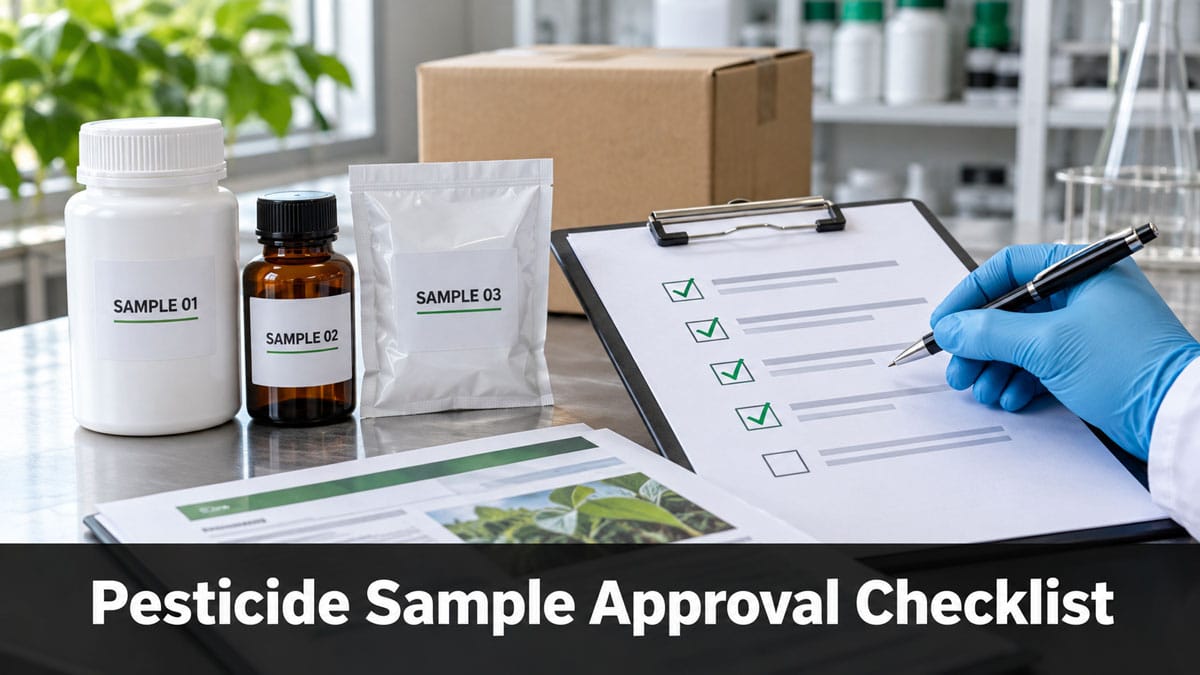
Before bulk purchasing, pesticide samples must be verified for product identity, sample source, acceptance specifications, chemical indicators, formulation performance, storage performance, suitability for use, packaging, technical documentation, and arrangements for acceptance of the bulk shipment. Each verification should be documented, clearly indicating which items have been approved, which require further clarification, and to which products and orders the approval applies.
For importers, distributors, and brand owners, the sample stage is an opportunity to align procurement requirements with specific products. Situations such as active ingredient concentrations meeting requirements but packaging not yet finalized; positive field feedback but samples originating from a development batch; or a Certificate of Analysis (COA) received but the report not matching the physical product—each of these scenarios requires separate handling. The clearer the verification records are, the smoother the transition will be to subsequent quoting, production, and acceptance.
Pesticide Sample Verification Checklist: Start by Checking These Ten Items
You can use the table below to track the progress of each item. Some items require actual testing, while others require document review or written confirmation; the specific level of detail depends on the product and procurement project.
| Verification Items | What Needs to Be Confirmed | Recommended Supporting Documentation |
|---|---|---|
| Product Identity | Active Ingredient, Content, Formulation, and Applicable Salt Form or Dosage Strength | Product Specifications and Sample Identification |
| Sample Source | Development samples, pilot-scale samples, production batch samples, or historical retained samples | Sample number, source, lot number, or sample preparation record |
| Acceptance specifications | Test items, methods, units, conditions, and acceptance criteria | Specification version confirmed by both parties |
| Chemical Parameters | Active ingredient content and applicable parameters such as relevant impurities | Test reports for the corresponding samples |
| Formulation Performance | Physical properties related to the actual formulation | Test conditions, results, and evaluation |
| Storage Performance | Applicable stability data and post-storage performance | Reports specifying the product, packaging, and conditions |
| Application Suitability | Crops, targets, water quality, equipment, and application conditions | Test records supporting efficacy or providing conditional explanations |
| Commercial packaging | Containers, closures, fill volume, labels, and outer cartons | Packaging specifications and approval documents |
| Technical documentation | Verification that COA, TDS, SDS/MSDS, etc., correspond to the product | Document numbers, versions, and records linking to samples |
| Acceptance of bulk shipments | Production batch testing, sampling, retentions, and change management | Order attachments and acceptance agreements |
Items for which results are not yet available should be marked as “To Be Confirmed”; do not assume they have been approved. If an item is not applicable, the reason should be noted to ensure that procurement, technical, and production personnel reach a consensus on the same conclusion.
Which product and production stage does the received sample represent?
First, match the physical sample to the procurement requirements.
Simply writing “pesticide sample” or “Imidacloprid 20%” is usually insufficient to support subsequent confirmation. You also need to know the formulation type, the labeled concentration, and the production stage from which this sample bottle originated.
Development samples are used to evaluate formulation direction; pilot-scale samples can be used to further understand performance after scale-up; production batch samples provide actual batch information. Different sources may provide different answers to the same question, so this should be clarified before evaluation.
It is recommended to record the following upon receipt of a sample:
- Full product name and supplier;
- Sample number, applicable lot number, or sample preparation record;
- Production or sample preparation date;
- Date received, quantity, and packaging details;
- Any known abnormalities during shipping;
- What tests are planned for this sample?
If the physical label, submission instructions, and report title do not match, confirm that they refer to the same product before scheduling testing.
The quantity of samples should also be discussed with the laboratory in advance. Requirements for content testing, physical properties, stability, retesting, and retained samples vary; whether a single sample is sufficient depends on the specific test plan.
The source of the sample must be accurately recorded. Development samples may be included in the evaluation, but if production-scale validation is required later, they should be listed as pending items.
Before testing, agree on what constitutes “pass”
“Sample compliance” requires a common standard.
For example, if you plan to purchase Imidacloprid 200 g/L SL, you should clearly define the product’s full identification, acceptance range for concentration, applicable solution performance requirements, and relevant testing methods. Do not simply include the product name in the purchase order while leaving other requirements in chat logs.
A specification suitable for procurement should, at a minimum, include:
Test items, methods, units, test conditions, acceptance range, and version date.
Concentration specifications, in particular, must be clearly defined. Percentages may be based on different measurement units; g/kg and g/L should not be directly considered equivalent specifications. When conversions are necessary, the measurement basis and applicable density must be specified. For salt-based products, it is also essential to verify whether the label indicates salt content, active ingredient content, or acid equivalent.
For formulated products, each component must be verified individually; verifying only the total concentration is insufficient.
Specification limits should be determined in conjunction with applicable requirements and the product’s basis. Typical values in the TDS must also be verified before they can be used as contractual acceptance limits.
The FAO/WHO pesticide specification framework and applicable standard methods may serve as technical references; however, during procurement, the applicability of specific sources, products, and method versions must still be verified.
What performance characteristics need to be tested for different pesticide formulations?
Active ingredient content is a key indicator; finished formulations must also meet corresponding physical performance requirements.
Formulations containing the same active ingredient—such as SC, EC, or WG—exhibit different behaviors when introduced into water, and the focus of testing varies accordingly.
| Formulation Type | Examples of Key Evaluation Areas | Practical Considerations During Procurement |
|---|---|---|
| SC | Suspension rate, wet sieving, pourability, dispersion, and post-storage performance | Whether it can disperse as required, regain uniformity, and be poured normally |
| EC | Emulsification characteristics, emulsion stability, re-emulsification, and low-temperature performance | Whether the emulsion performance meets specifications after dilution |
| WG | Wetting, dispersion, suspension rate, wet sieving, and applicable particle properties | Whether it disperses normally upon contact with water and whether there is excessive residue |
| WP | Wettability, suspension rate, wet sieving, and applicable moisture requirements | Does it exhibit poor wettability, caking, or excessive sieve residue? |
| SL | Solution stability, insolubles, and applicable low-temperature performance | Does it exhibit out-of-specification crystallization or precipitation? |
| FS | Formulation stability and applicable seed treatment performance | Suitability for target seeds and treatment equipment |
These are suggested guidelines; they do not constitute a standardized checklist that must be followed for all products. The final test items, methods, and limit values should be determined based on the specific product.
For SC formulations, after sedimentation is observed, it must also be determined whether uniformity can be restored through standard operating procedures and whether relevant indicators meet requirements. For ECs, performance regarding stratification, oil separation, and re-emulsification should be evaluated under specified conditions. For WGs, while uniform particle appearance is desirable, it cannot replace the results of wetting, dispersion, and wet sieving tests.
Insoluble particles, poor suspension performance, and inadequate flow properties may affect filtration, formulation, or application uniformity. Test results should be correlated with these practical issues to facilitate your assessment of commercial implications.
If you are purchasing microbial products such as Bacillus subtilis or Bt, additional requirements—such as strain identity, applicable viable cell count, or biological potency—must be considered based on the specific product; the content evaluation methods used for chemical pesticides cannot be directly applied.
What do storage data and field trials respectively indicate?
Even if the product appears normal upon receipt, it must still be evaluated in light of anticipated transportation and storage conditions.
When reviewing stability data, first confirm that it corresponds to the same product specification and formulation, then verify the packaging, test conditions, duration, and results after storage. A simple statement such as “stability passed” is typically insufficient.
Accelerated storage, low-temperature testing, and long-term storage data each serve distinct purposes. Whether the product meets the labeled shelf life should be determined by considering applicable requirements and comprehensive data; performance under all distribution conditions cannot be inferred solely from a single accelerated test.
If your distribution channels require cross-season stockpiling, you should also discuss the expected production date, the remaining shelf life upon arrival, and storage conditions.
Local water quality or equipment testing is used to determine suitability for actual use. It is recommended to record information on the water source or applicable water quality, temperature, dilution ratio, operating procedures, and observation time. When field results differ from laboratory results, compare the conditions first before determining the cause.
For field efficacy evaluations, additional records should be kept regarding the crop, target, insect life stage or disease stage, application rate, application timing, weather conditions, and control arrangements.
Separate conclusions should be drawn for physicochemical quality, local performance, and efficacy evaluation. A single field report can support project decisions but is insufficient to prove efficacy across all regions, crops, and usage conditions.
Once a product is approved, what else needs to be confirmed regarding packaging and technical documentation?
Approval of bulk samples only covers the product items that have been evaluated. The final sales packaging still requires confirmation.
For private-label projects, it is recommended to verify container materials, specifications, cap or closure structures, fill volume, label artwork, batch code location, and outer carton requirements. Packaging evaluation should also be conducted in conjunction with the actual formulation and distribution conditions.
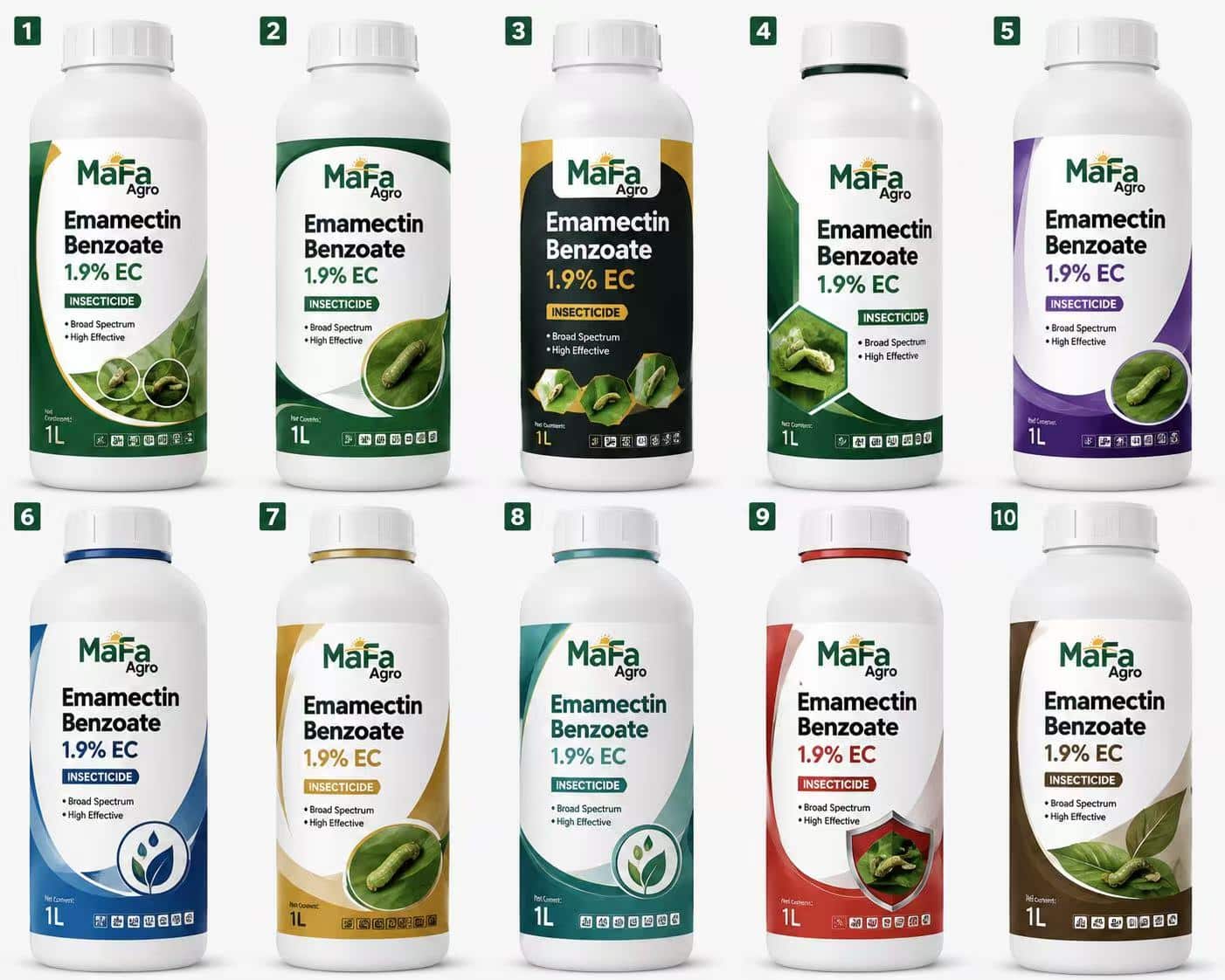
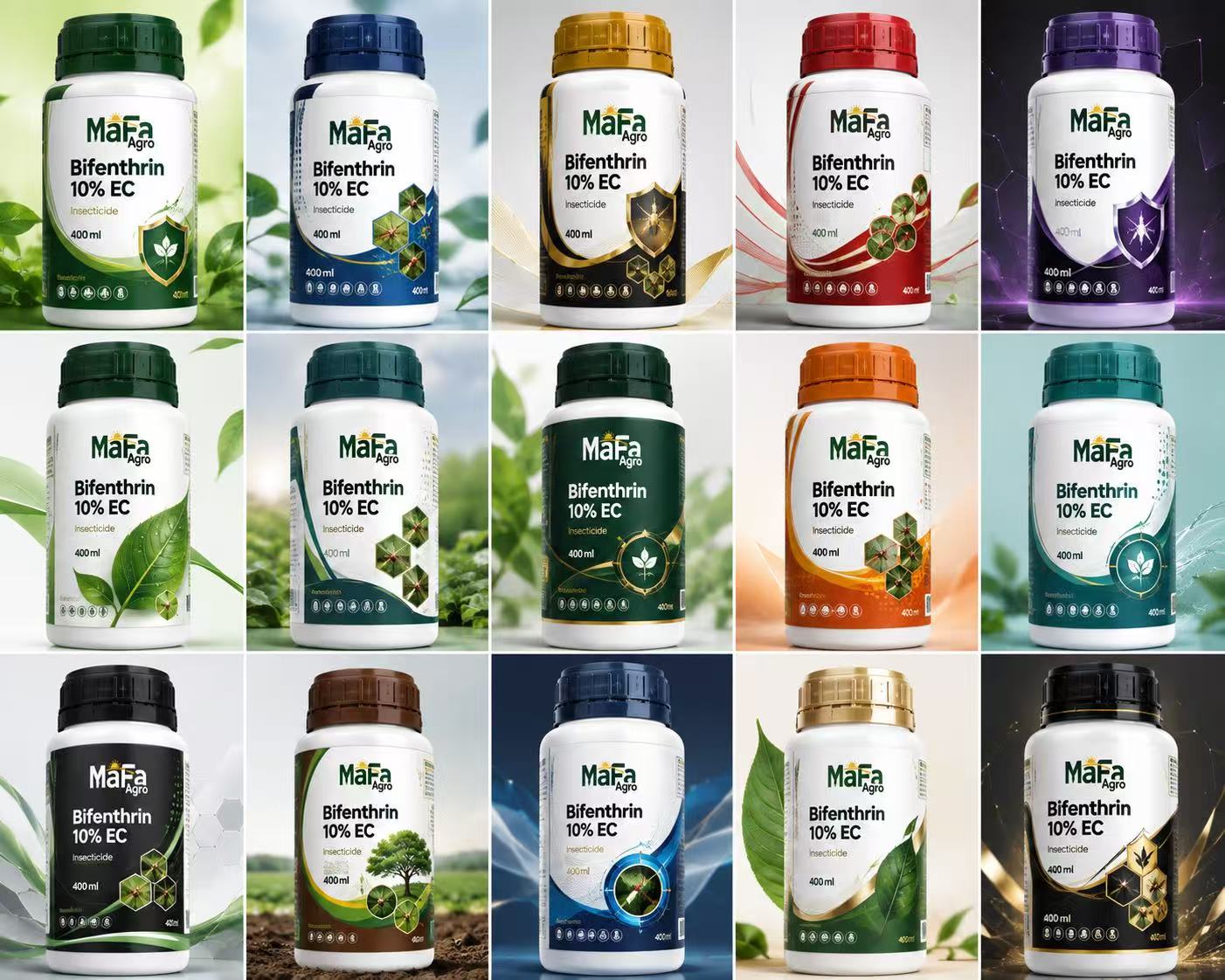
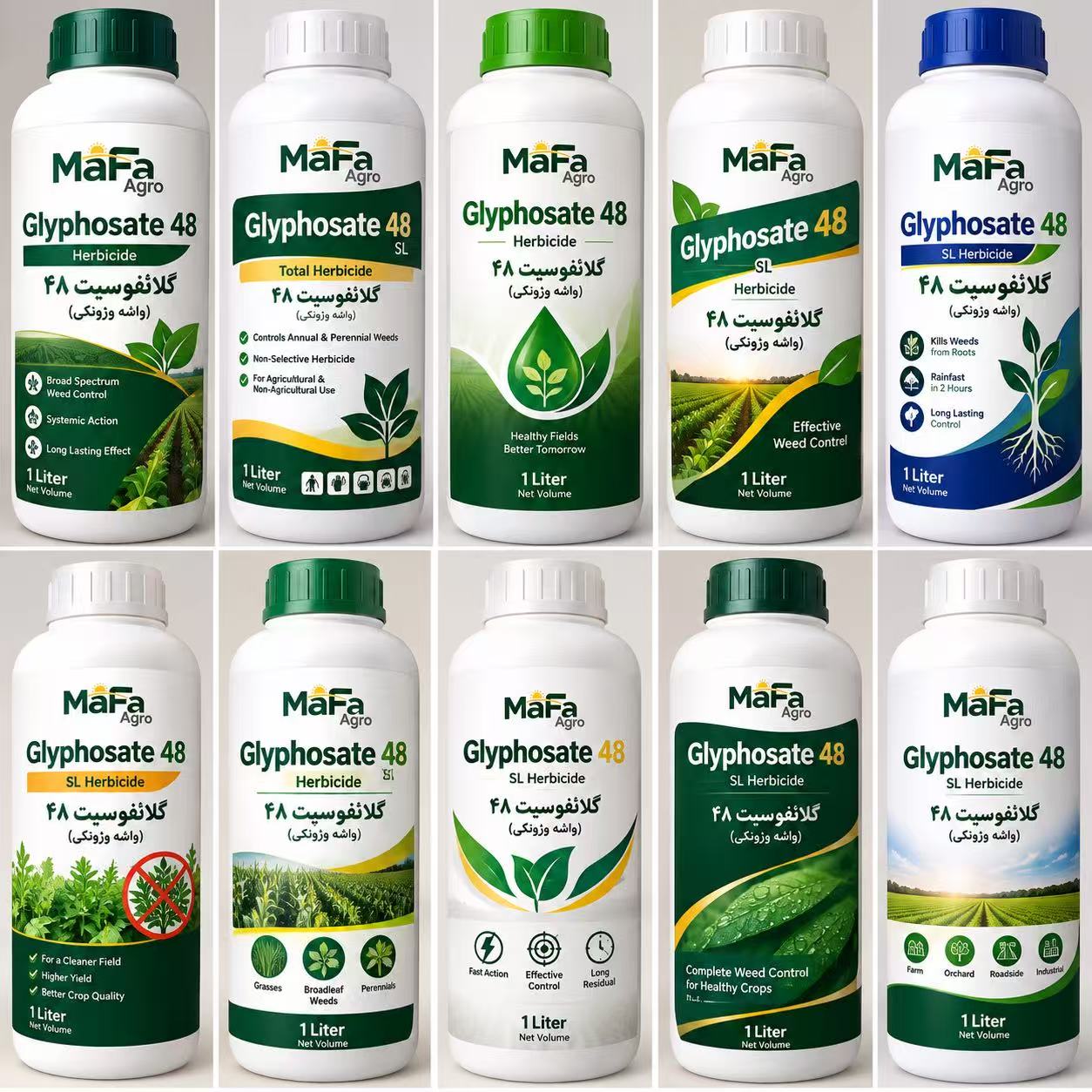
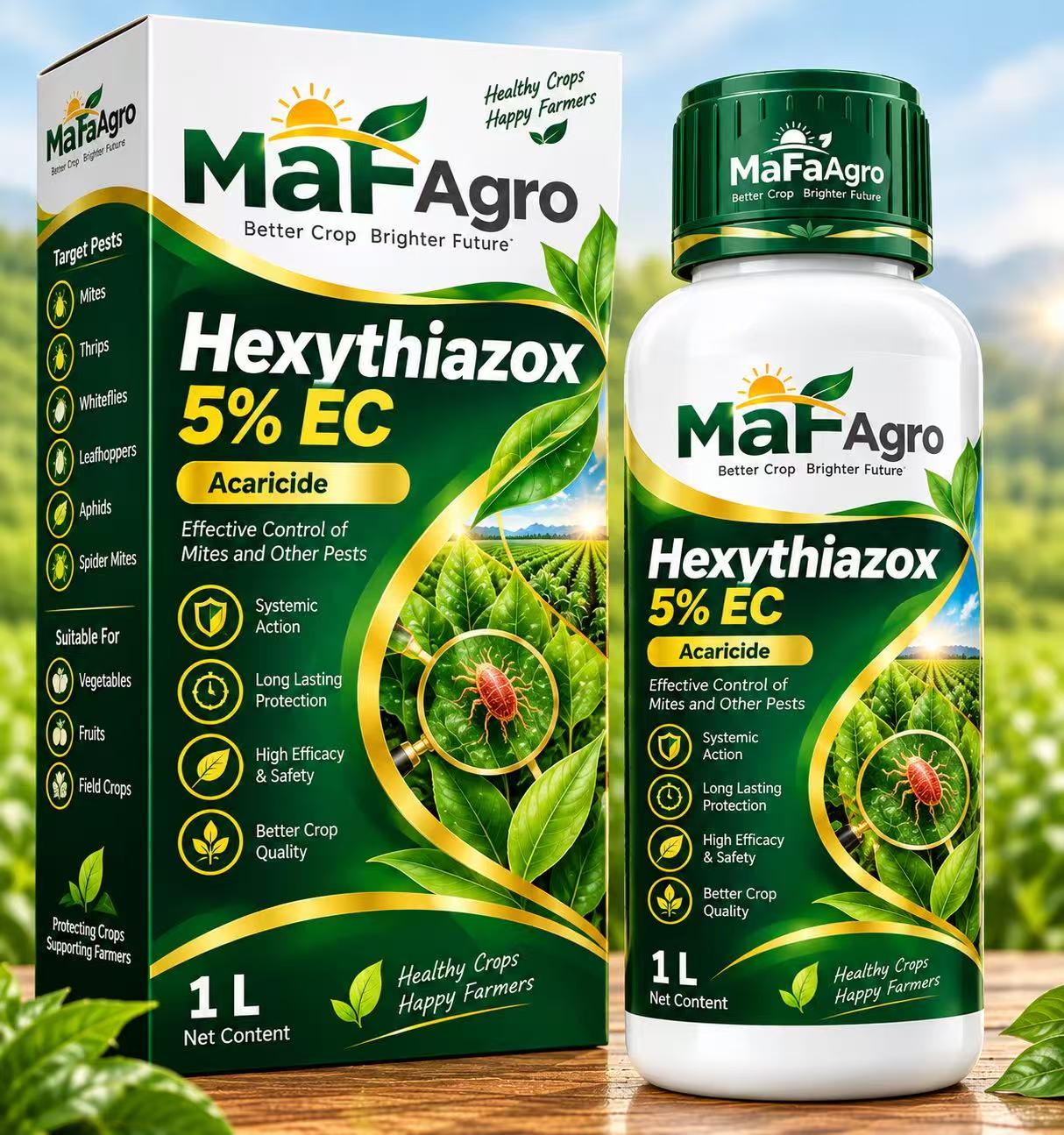
For example, if a client has tested the formulation but has not yet confirmed the final bottle material and closure, “Formulation Validation” and “Packaging Validation” should be documented separately. Confirmation of label language and design drafts also cannot replace verification of the approval requirements in the target country.
As for technical documents, it depends on what each one specifies:
| Document | Primary Purpose | Key Verification Points During the Sample Phase |
|---|---|---|
| Product Specifications | Defines the standards the product must meet | Have the items, methods, scope, and version been confirmed? |
| COA | Reports test results for a specified sample or batch | Does it correspond to the physical product received? Do the results meet specifications? |
| TDS | Describes the product’s technical characteristics | Are the product identification, parameters, and version consistent? |
| SDS/MSDS | Provides information on hazards, handling, storage, and transportation | Is it applicable to this product and the document’s intended use |
| Registration or project documentation | Supports the corresponding market or project review | Do the source, composition, and documentation meet specific requirements |
Upon receipt of the documents, verify that the product identity and measurement criteria match. A general product description cannot replace the test report for the corresponding sample, nor can a sample COA replace the COA for future production batches.
Importers should also independently confirm the destination country’s requirements for sample importation, testing, and commercial sales. Technical confirmation records and market authorization should be handled separately.
How should sample confirmation results be applied to the acceptance of production batches?
We recommend compiling the validation conclusions into a concise record before placing an order and linking it to the product specifications in the order.
| Record Fields | Recommended Content |
|---|---|
| Product | Full active ingredients, concentrations, and dosage forms |
| Sample | Number, source, applicable lot number, or sample preparation record |
| Specifications | Document number, version, and date |
| Testing | Report number, methods, and key results |
| Packaging | Specification version, label draft version, and validation status |
| Conclusion | Passed, conditionally validated, or failed |
| Outstanding Items | What needs to be supplemented, who is responsible, and when it will be completed |
| Validation Information | Validator, Date, and Applicable Items |
“Conditional Approval” must clearly specify the stage up to which the project is permitted to proceed.
For example, if the dosage form testing has passed but final packaging compatibility still needs to be verified, it can be recorded as: “Dosage form technical evaluation passed; packaging pending confirmation; final packaging production will be approved after packaging confirmation is completed.” This allows the procurement team to continue moving the project forward, while the production team is aware of the current scope of approval.
Production batches do not necessarily have to use the same lot number as the evaluation samples, but they must be tested and accepted according to the specifications agreed upon in the purchase order. For development samples requiring production-scale validation, the corresponding steps must be completed before bulk supply begins.
The purchase order should also clearly specify:
- What test results are required for the actual production batch?
- How are multiple batches mapped to the COA?
- Is independent testing or pre-shipment sampling required?
- Who is responsible for retaining samples, and what are the storage conditions and retention period?
- How will notifications and re-evaluations be handled if the product or packaging changes?
The sampling plan should be tailored to the batch division, shipment volume, dosage form, and testing objectives. Retained samples can provide supporting evidence, but their storage conditions and duration may affect their condition; therefore, acceptance of bulk shipments should not be based solely on visual comparison.
How should discrepancies in test results between the buyer and seller be handled?
First, verify whether both parties tested the same sample and under the same conditions.
It is recommended to check, in the following order: sample numbers, sub-sampling and shipping records, sampling and homogenization methods, analytical methods, units, instrument calibration, and calculation criteria; if necessary, assess discrepancies by considering method precision or measurement uncertainty.
If these factors still fail to explain the results, arrange for retesting as agreed, or have the testing conducted by a laboratory mutually recognized by both parties.
It is best to establish dispute resolution procedures before placing an order. Clearly defining the samples to be retested, the methods, the selection of the laboratory, and the cost arrangements is easier to implement than negotiating these matters on an ad hoc basis after the samples arrive.
If there are changes to the formulation, the source of the active ingredient, the production site, or the packaging materials, the impact on quality and registration items should be assessed, and notifications, data reviews, or re-validation should be completed as agreed. A single sample approval should specify a clear scope of products and versions.
Frequently Asked Questions
Is testing only the active ingredient content sufficient for pesticide samples?
Generally, no. For finished formulations, applicable physical properties, relevant chemical parameters, storage conditions, and packaging requirements must also be verified. Specific items are determined based on the product.
How many samples need to be prepared?
There is no standard quantity. This should be determined in advance based on laboratory methods, test items, parallel testing, retesting, and retention sample requirements.
After a supplier provides a COA, is it still necessary to conduct our own testing?
This depends on project requirements. For new suppliers, new formulations, cases where historical quality records are lacking, or when significant procurement projects are involved, consider increasing buyer involvement or conducting independent verification. The testing plan should be tailored to the specific issues at hand.
Must samples and production batches use the same lot number?
Not necessarily. Evaluation samples may come from earlier batches or the development stage; bulk shipments must have actual batch records and undergo testing in accordance with agreed-upon specifications. Production-scale validation, which has not yet been completed during the development stage, must also be carried out.
If a sample passes physicochemical testing, does that mean it will also perform well in the field?
This cannot be directly assumed. Physicochemical testing is used to evaluate agreed-upon quality indicators; efficacy must be assessed individually based on the target, crop, application rate, timing, and local conditions.
Should a sample be rejected if its color differs slightly?
First, verify the agreed-upon appearance requirements, then make a judgment based on the cause of the discrepancy and other quality results. A comprehensive quality conclusion cannot be drawn solely based on color similarity or difference.
If a bulk sample passes, does the small package still need to be confirmed?
The final packaging design, as well as applicable compatibility, sealing, and labeling requirements, must be confirmed—especially when new containers, closures, or materials are used for the first time.
What changes require re-confirmation?
Changes that may affect product identity, agreed-upon quality, storage performance, or registration details must be evaluated. This may include formulation, source of active ingredient, manufacturing site, specifications, methods, and packaging materials; specific procedures are determined according to project requirements.
Confirm your sample evaluation requirements with Mafa Agro
If you are evaluating a new supplier, preparing your first bulk order, or developing private-label pesticide products, you can provide the following to Mafa Agro:
- Active ingredients, concentrations, and formulations;
- Target countries and local registration or project status;
- Sample purpose: physicochemical testing, efficacy evaluation, registration trials, or packaging validation;
- Required test items, methods, and acceptance criteria;
- Packaging specifications, label language, and estimated purchase volume;
- Shipping, warehousing, and technical documentation requirements.
We will verify the available samples, specifications, documentation, and packaging options based on the specific product and project conditions, and clarify confirmed items and pending tasks during procurement discussions.
Including sample numbers, specification versions, and confirmation records in the purchase order is a valuable step to complete before bulk procurement. This ensures that your procurement team and the supplier can proceed with production and acceptance based on a shared set of requirements.
Tell Us What You Need
Looking for pesticide products from China? Send us the active ingredient, formulation, quantity, packaging requirement or target crop. Our team will help you evaluate suitable supply options.